Advanced Construction Techniques for Modern Projects
Modern infrastructure demands precision, speed, and innovation. Advanced construction techniques have revolutionized how complex projects are executed. From airports to oil and gas facilities, every detail matters. I will walk you through the most effective solutions shaping the future of construction. These methods are not just trends; they are essential tools for delivering projects on time, within budget, and with unmatched quality.
Embracing Advanced Construction Techniques
The construction industry is evolving rapidly. Traditional methods no longer suffice for the scale and complexity of today’s projects. Advanced construction techniques integrate technology, materials science, and process optimization to overcome challenges.
Key innovations include:
Building Information Modeling (BIM): A digital representation of physical and functional characteristics. BIM enables real-time collaboration, clash detection, and precise scheduling.
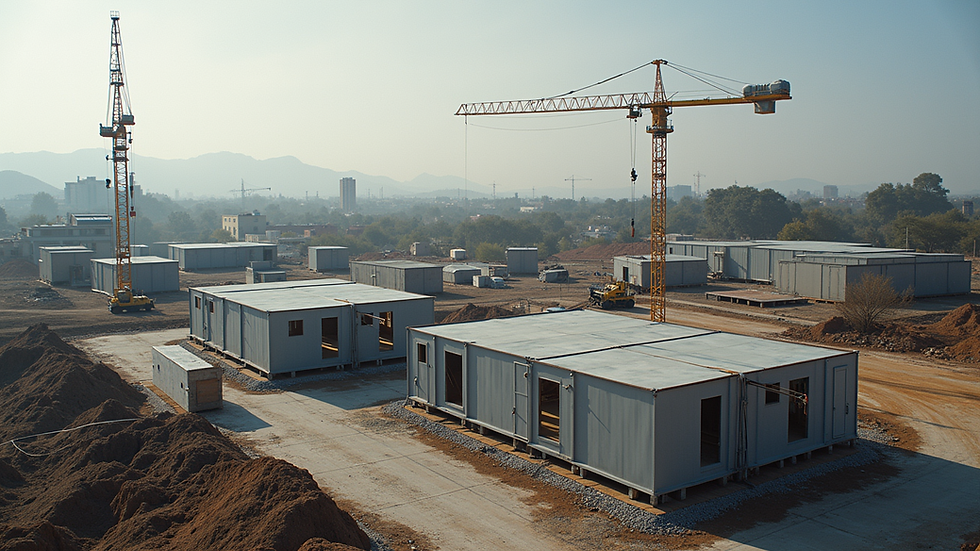
Modular Construction: Prefabricated components assembled on-site reduce time and waste.
3D Printing: Rapid prototyping and even full-scale building elements can be printed, cutting costs and increasing customization.
Drones and Robotics: Automated site surveys, inspections, and material handling improve safety and efficiency.
AI and Machine Learning: Predictive analytics optimize resource allocation and risk management.
These techniques are not isolated. They work in synergy to deliver smarter, faster, and more cost-effective construction.
Materials and Methods Driving Efficiency
Material innovation is a cornerstone of advanced construction. High-performance concrete, self-healing materials, and lightweight composites are transforming structural integrity and durability.
Examples of material advancements:
Ultra-High Performance Concrete (UHPC): Offers superior strength and longevity, ideal for bridges and airport runways.
Self-Healing Concrete: Contains bacteria or chemical agents that repair cracks autonomously, reducing maintenance.
Fiber-Reinforced Polymers (FRP): Lightweight and corrosion-resistant, perfect for harsh environments like ports and offshore platforms.
In parallel, construction methods have adapted:
Lean Construction: Minimizes waste and maximizes value through continuous improvement.
Just-In-Time Delivery: Reduces inventory costs and site clutter.
Robust Quality Control: Real-time monitoring with sensors ensures compliance with specifications.
These materials and methods collectively enhance project resilience and sustainability.
Leveraging Digital Twins and AI for Project Management
Digital twins are virtual replicas of physical assets. They provide a dynamic platform for monitoring, simulation, and decision-making throughout the project lifecycle.
How digital twins and AI transform construction:
Real-Time Monitoring: Sensors feed data into the digital twin, tracking structural health and environmental conditions.
Predictive Maintenance: AI algorithms forecast potential failures before they occur.
Resource Optimization: Machine learning models analyze workflows to reduce downtime and improve labor allocation.
Risk Mitigation: Scenario simulations identify vulnerabilities and test mitigation strategies.
Integrating digital twins with AI creates a feedback loop that continuously improves project outcomes. This approach is especially critical in complex environments like oil and gas facilities and large-scale port infrastructure.

Specialized Solutions for Port Construction
Ports require robust, adaptable infrastructure to handle heavy loads, tidal forces, and environmental challenges. Advanced construction techniques tailored for ports ensure longevity and operational efficiency.
One cannot overlook the importance of **port construction solutions**. These solutions combine geotechnical engineering, marine construction technology, and AI-driven project management to deliver superior results.
Key aspects include:
Seawall and Breakwater Construction: Using UHPC and modular precast elements for rapid deployment.
Dredging Automation: AI-guided dredgers optimize sediment removal with minimal environmental impact.
Smart Quay Walls: Embedded sensors monitor structural integrity and load distribution.
Sustainable Practices: Incorporating eco-friendly materials and minimizing disruption to marine ecosystems.
These specialized techniques reduce downtime and extend the service life of port facilities, critical for global trade hubs.
Integrating Sustainability and Safety in Modern Construction
Sustainability and safety are non-negotiable in today’s projects. Advanced construction techniques embed these principles from design to execution.
Sustainability measures include:
Energy-Efficient Designs: Passive solar, natural ventilation, and green roofs reduce operational costs.
Waste Reduction: Modular and prefabricated construction minimize material waste.
Recycled Materials: Using industrial byproducts like fly ash in concrete lowers carbon footprint.
Water Management: Smart irrigation and rainwater harvesting systems conserve resources.
Safety is enhanced through:
Wearable Technology: Real-time health monitoring and hazard alerts for workers.
Automated Equipment: Reduces human exposure to dangerous tasks.
Virtual Reality Training: Prepares teams for complex procedures in a risk-free environment.
Strict Compliance Monitoring: AI-powered systems ensure adherence to safety protocols.
These integrated approaches protect both the environment and workforce, aligning with global standards and client expectations.
Future-Proofing Infrastructure with Smart Construction
The future of construction lies in adaptability and intelligence. Smart construction integrates IoT, AI, and robotics to create responsive, self-optimizing projects.
Emerging trends to watch:
Autonomous Construction Vehicles: Enhancing precision and reducing labor costs.
Augmented Reality (AR): Assisting on-site workers with real-time data overlays.
Blockchain for Supply Chain: Ensuring transparency and traceability of materials.
Energy Harvesting Structures: Buildings that generate and store their own power.
By adopting these technologies, projects become more resilient to changing demands and environmental conditions. This future-proofing is essential for infrastructure that must serve generations.
Advanced construction techniques are no longer optional. They are the foundation of successful, sustainable, and efficient projects. Embracing these innovations ensures that infrastructure, airport, oil and gas, port, and building developments meet the highest standards. The integration of technology, materials, and process optimization is the key to transforming complex builds into landmarks of modern engineering.


Comments